Introduction
In this blog, we will explore the basics of extrusion blow molding, the most common products made with this process, and why manufacturers across so many industries depend on it.
Chances are you've used an extrusion blow molded product today without even realizing it. From the laundry detergent bottle in your utility room to the fuel tank in your truck, this process is behind thousands of everyday plastic parts.
What is Extrusion Blow Molding?
Extrusion blow molding is a manufacturing process used to make hollow plastic parts. It works a lot like blowing up a balloon inside a shaped cavity. The basic steps look like this:
- Plastic resin is melted and pushed through an extruder to form a hollow tube called a parison.
- The two halves of the mold close around the parison, pinching it shut at the ends.
- Compressed air is blown into the parison, pushing the plastic outward against the walls of the mold.
- The plastic cools and takes the exact shape of the mold cavity.
- The mold opens, the part is ejected, and the excess plastic (called flash) is trimmed away.
The most common materials used are high-density polyethylene (HDPE), polypropylene (PP), and PVC, though many other resins can be used depending on the application. Because the process is fast, repeatable, and cost-effective, it's ideal for producing anything from small bottles to large industrial parts.
Common Extrusion Blow Molded Products
Extrusion blow molding is used in nearly every industry. Here are some of the most common products you'll find, organized by the markets that use them.
Automotive
The automotive and powersports industries rely on extrusion blow molding for durable, lightweight parts that can handle heat, vibration, and harsh conditions.
- Fuel tanks for cars, trucks, UTVs, ATVs, and small engines
- Air intake ducts and HVAC ducting
- Coolant and windshield washer fluid reservoirs
- Center consoles and interior components
- Seat backs, spoilers, and bumper components
Consumer Goods
This is where most people encounter blow molded products every day.
- Household chemical and laundry detergent bottles
- Shampoo, lotion, and personal care containers
- Milk jugs and beverage containers
- Toys, play structures, and outdoor playground equipment
- Coolers, storage bins, and water jugs
- Folding tables and chairs
Agriculture
Farmers and agricultural equipment manufacturers need parts that are tough, chemical-resistant, and able to stand up to the elements.
- Chemical, fertilizer, and sprayer tanks
- Livestock waterers and feeders
- Seed and grain hoppers
- Equipment shields, covers, and fenders
Construction
Blow molded parts are a lightweight, weather-resistant alternative to metal and wood on many job sites.
- Traffic barricades, cones, and safety barriers
- Water-filled barriers
- Portable toilet components
- Pipe fittings and drainage components
- Tool cases and equipment housings
Lawn & Garden
Lawn and garden products are some of the most recognizable blow molded items in any garage or backyard.
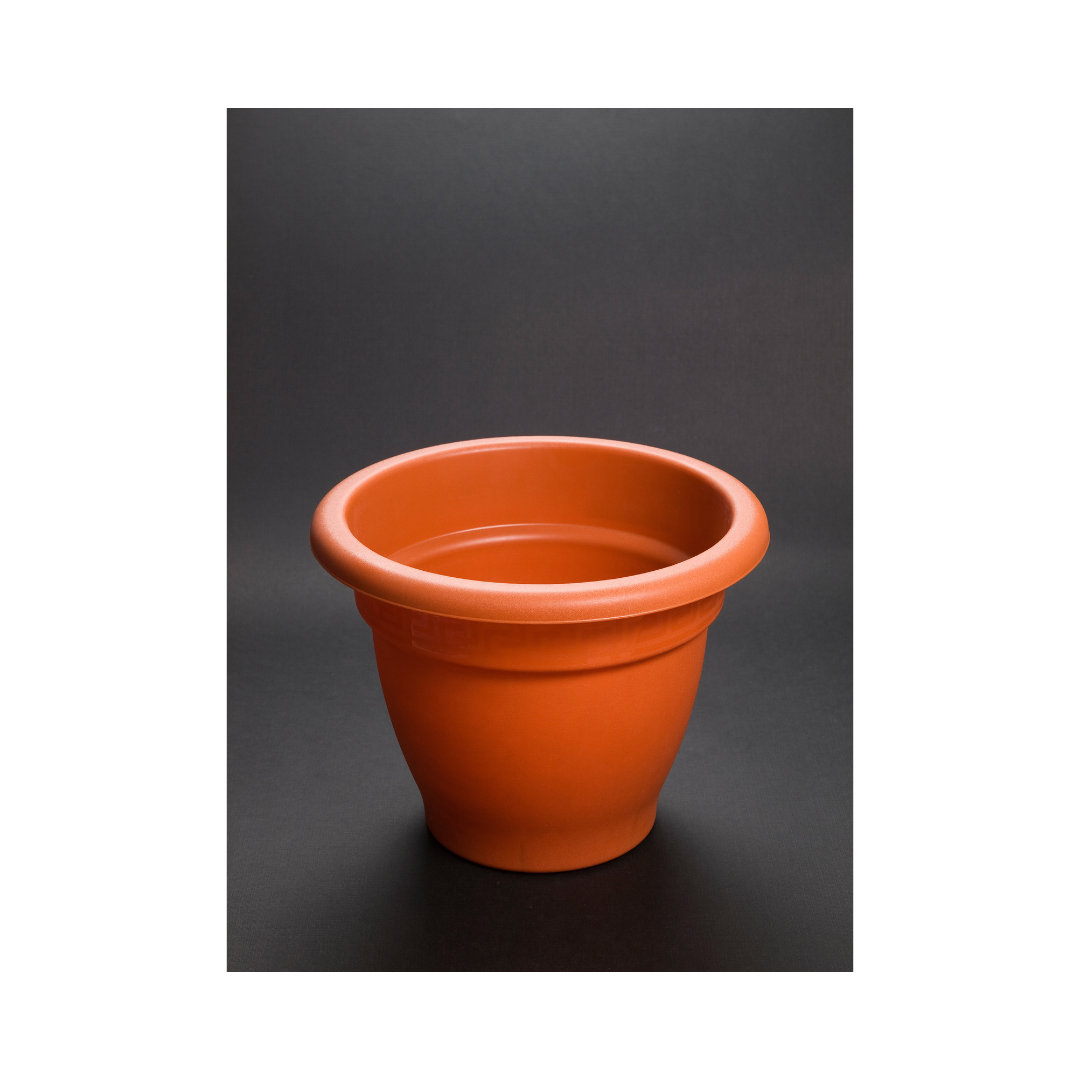
- Garden pots and planters
- Watering cans
- Pump and pressure sprayer tanks
- Gas cans and fuel containers
- Lawn mower and outdoor power equipment parts
- Rain barrels and compost bins
Why Manufacturers Choose Extrusion Blow Molding
With so many plastic manufacturing methods available, why do so many products end up being extrusion blow molded? Here are a few of the biggest reasons:
- Hollow parts in one piece: Extrusion blow molding creates seamless hollow parts without the need to weld or glue multiple pieces together.
- Cost-effective tooling: Blow molds are typically less expensive to build than injection molds for parts of a similar size, making the process a smart choice for large parts.
- Wide range of sizes: The process can produce anything from a small bottle to a large fuel tank or playground slide.
- Durability: Materials like HDPE are tough, impact-resistant, and hold up well to chemicals and outdoor weather.
- Design flexibility: Features like handles, threads, and in-mold cutouts can be built right into the part.
- High-volume production: Once the mold is running, parts can be produced quickly and consistently.
It All Starts With The Mold
Every one of these products begins with a precision mold. The quality of the mold directly affects the quality of the part, from wall thickness and surface finish to cycle time and how cleanly the flash trims away.
That's where mold makers come in. Building an extrusion blow mold takes careful 3D design, precision CNC machining, venting, cooling lines, and hours of hands-on finishing and polishing. A well-built mold can run reliably for years and produce millions of consistent parts.
In Summary
Extrusion blow molded products are all around us, in our cars, homes, farms, job sites, and backyards. The process offers a fast, durable, and cost-effective way to make hollow plastic parts in nearly any size, which is why so many industries depend on it.
Since 1987, Herman Mold + Tooling has built more than 9,100 extrusion blow molds for manufacturers in the automotive, consumer goods, agriculture, construction, and lawn & garden industries. From 3D design to CNC machining, finishing, and testing, every mold is built in-house at our shop in Fairfield, Iowa.
Have a new product in mind or an existing mold that needs work? Request a quote and let's talk about your next project.

